By Neha Ghosh
Let’s talk guts—and not the metaphorical kind.
If you’ve ever felt anxious for no reason, dealt with brain fog that won’t quit, or just couldn’t shake the blah even when life seemed fine… your brain might not be the problem.
Your gut might be.
Yep, your gut. That misunderstood, bloated, grumbling organ we usually only pay attention to after bad sushi or a sketchy gas station snack. Turns out, it’s running the show way more than we think.
🧠 Gut Health Is Mental Health

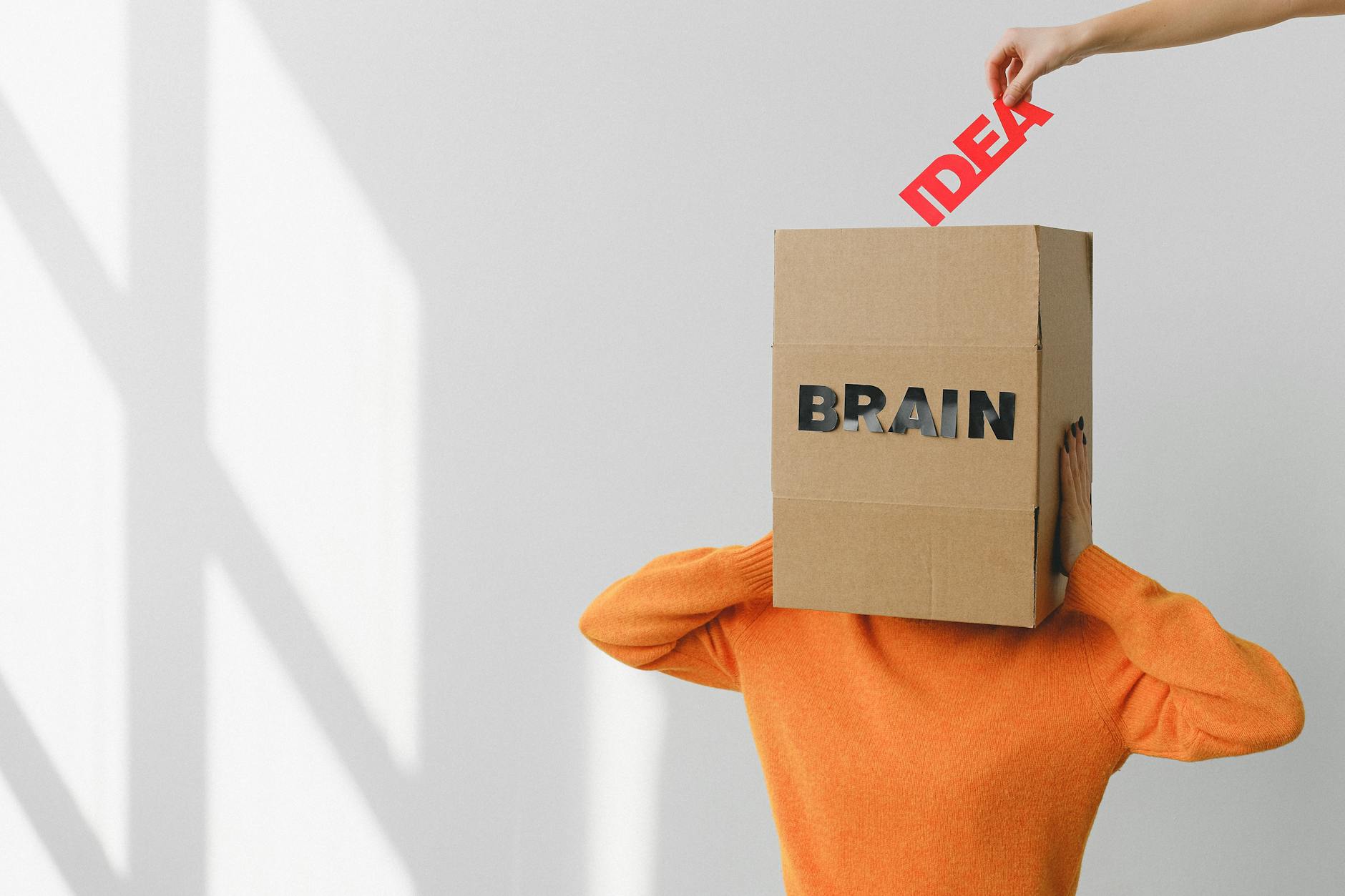
Here’s what most people don’t realize: your gut and your brain are in constant conversation. There’s even a name for it—the gut-brain axis. It’s a literal, physical connection between your central nervous system and your digestive system, and it plays a massive role in how you feel.
Get this: about 90% of your serotonin (your “feel good” hormone) is made in the gut. Not the brain. The gut. Dopamine, GABA, and other mood regulators? Also made or influenced by your gut bacteria.
So when your gut is inflamed, unbalanced, or overrun by bad bacteria, guess what? Your mood tanks. Your sleep suffers. Your motivation dips. Your anxiety creeps in.
On the flip side, chronic stress and anxiety wreak havoc on your gut too—slowing digestion, triggering bloating, and making you more sensitive to food. It’s a loop. A vicious, uncomfortable, emotional loop.
🚨 Signs Your Gut Might Be Screwing With Your Mind
- You feel bloated, puffy, or gassy after meals
- You struggle with anxiety or feel “on edge” all the time
- Brain fog or forgetfulness, even with good sleep
- You crave sugar or carbs constantly
- Mood swings or feeling emotionally flat
- Weird sleep patterns, especially waking up at 3am
- Your skin’s freaking out for no clear reason
Sound familiar? You’re not crazy. You’re probably out of balance.
🦠 Enter Probiotics: Your Tiny, Microscopic Hype Team
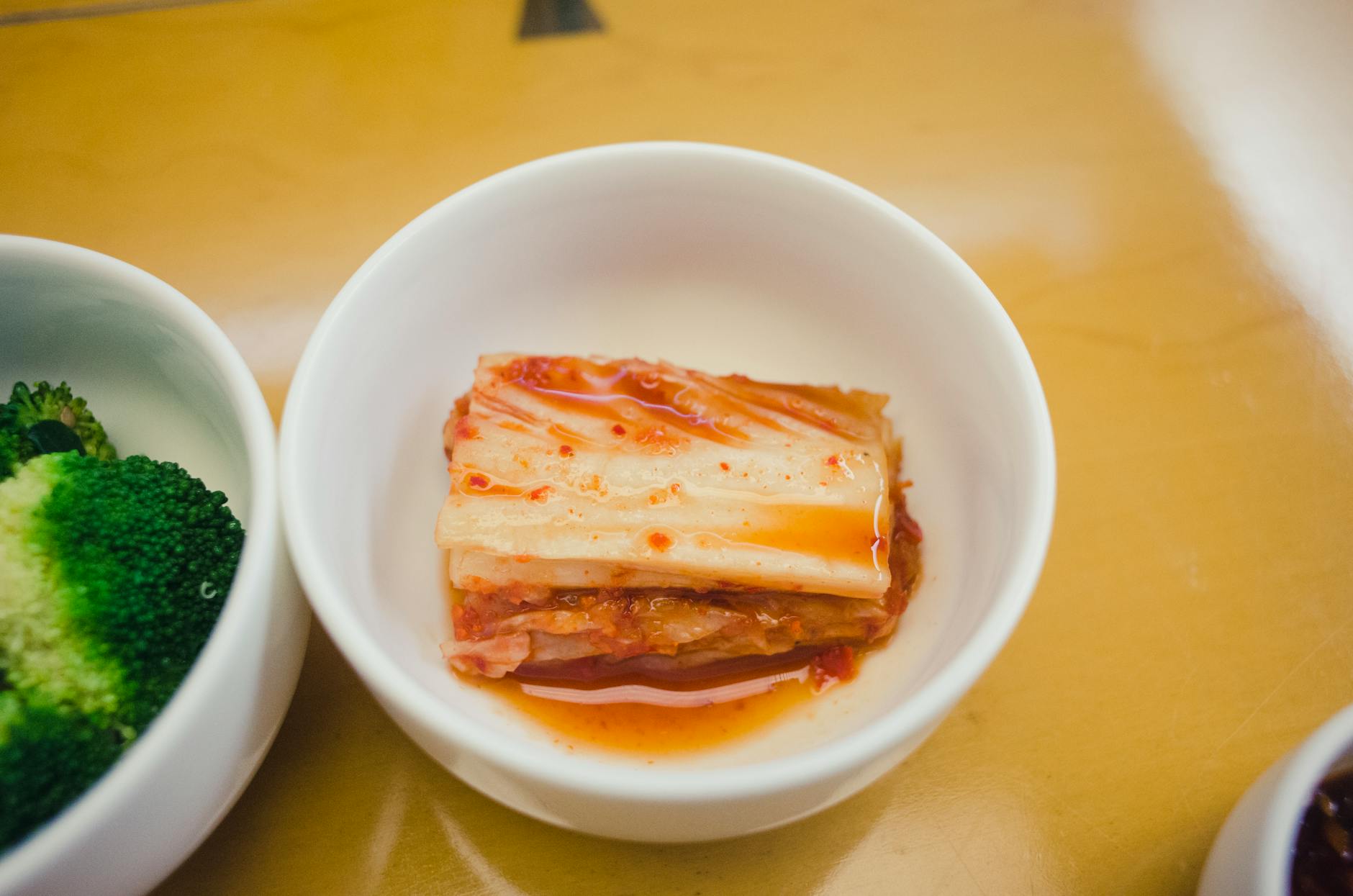
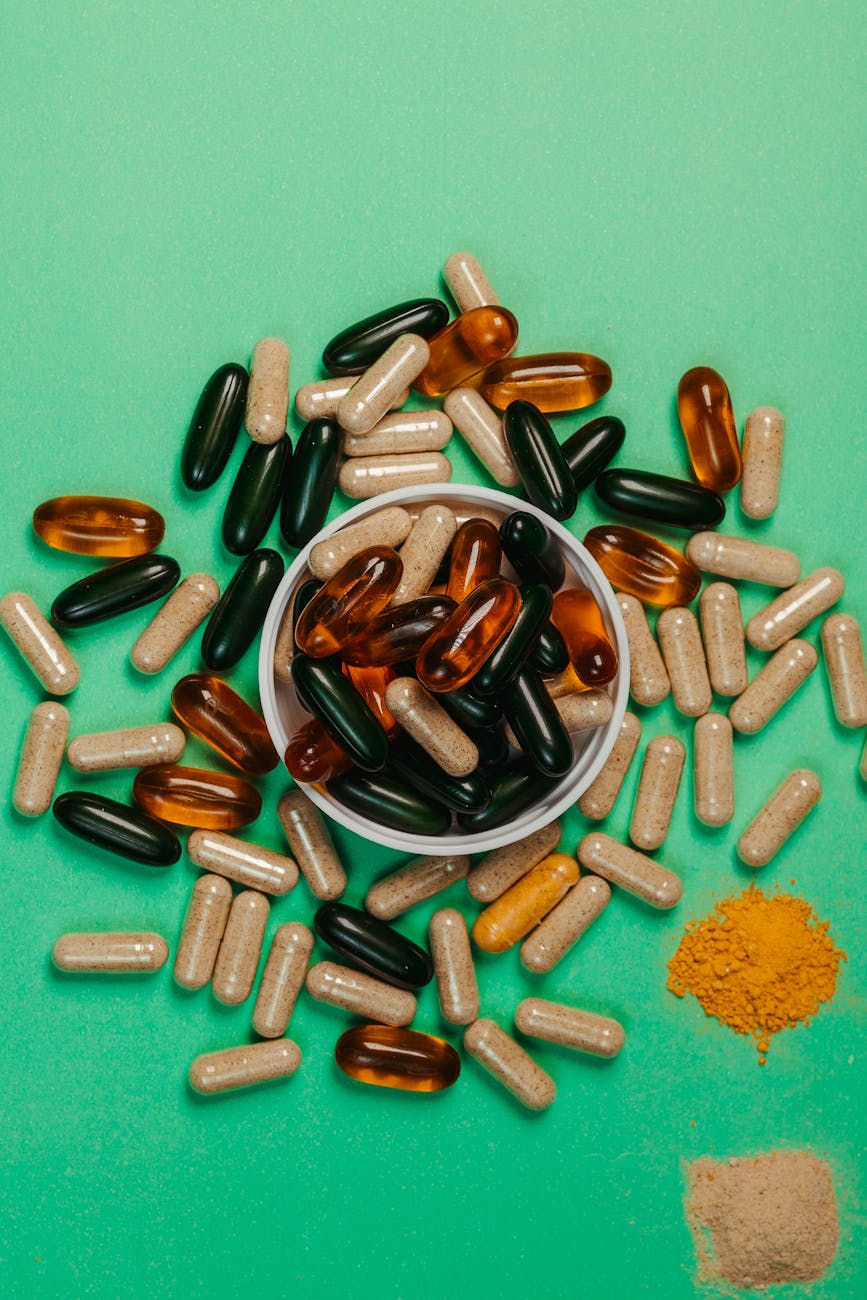
Probiotics are live microorganisms—aka good bacteria—that help restore order to the chaos inside your gut. Think of them as the peacekeepers who roll in, kick out the problematic bacteria, and help you rebuild a healthy, happy microbiome.
When taken consistently, the right probiotic can:
- Reduce bloating, constipation, and other digestive drama
- Improve mood and decrease anxiety symptoms
- Enhance focus and mental clarity
- Help regulate sleep
- Boost immunity (because 70% of your immune cells are in your gut!)
- Even improve skin health (yep, gut-skin axis is real too)
This is why so many people who’ve “tried everything” for mental health finally start to feel better once they heal their gut. It’s not fluff—it’s biology.
⏰ When Should You Take a Probiotic?
Best time? On an empty stomach.
Ideally:
- First thing in the morning, 30–60 minutes before breakfast
or - At night, 2–3 hours after your last meal
Why? Your stomach acid is lower at these times, which means the probiotics are more likely to survive the journey and actually reach your intestines—where they need to be.
Avoid taking it with hot drinks, heavy meals, or alcohol. You’re not trying to cook them.
💊 What If You’re on Antidepressants or Anti-Anxiety Meds?

Good news: you can absolutely take probiotics with your anxiety or depression meds—and it might actually help.
While meds like SSRIs or SNRIs adjust how your brain uses neurotransmitters, probiotics can support how your gut produces them. It’s two ends of the same system working together.
A few tips:
- Stagger the timing (e.g. meds with breakfast, probiotics before bed)
- Let your doctor know, just in case there are any sensitivities
- If you’re just starting both, go slow—your system might need a few days to settle
🔍 What to Look for in a Probiotic That’s Actually Worth It
Let’s cut through the wellness industry noise. Here’s what actually matters:
✔️ Multiple Strains
The more diverse, the better. Look for ones that include:
- Lactobacillus rhamnosus → supports mood and reduces stress
- Bifidobacterium longum → known to calm the nervous system
- Lactobacillus acidophilus → helps with digestion and skin
Different strains = different superpowers.
✔️ 10–50 Billion CFUs
(CFUs = colony forming units). This is the amount of bacteria per dose. Too low, and you won’t feel a thing. Too high with poor quality = waste of money.
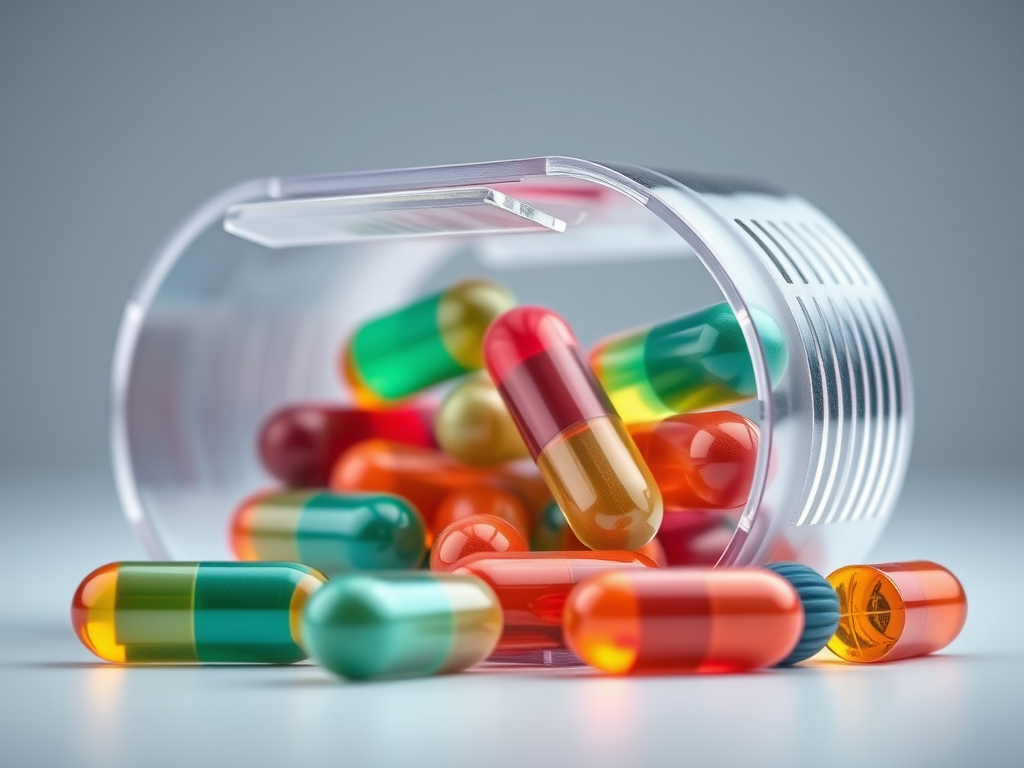
✔️ Acid-Resistant or Delayed-Release Capsules
This protects your probiotics from stomach acid and ensures they get where they need to go.
✔️ Prebiotics (Bonus!)
Prebiotics are basically food for your good bacteria. If your probiotic includes ingredients like inulin or FOS, that’s a plus.
❌ Avoid
- Sugar, artificial sweeteners, or colorants
- Gimmicky “gummy” probiotics (fun, but mostly useless)
- Brands that don’t list strains or CFU counts—huge red flag
💡 Don’t Just Pop a Pill—Support the Whole System
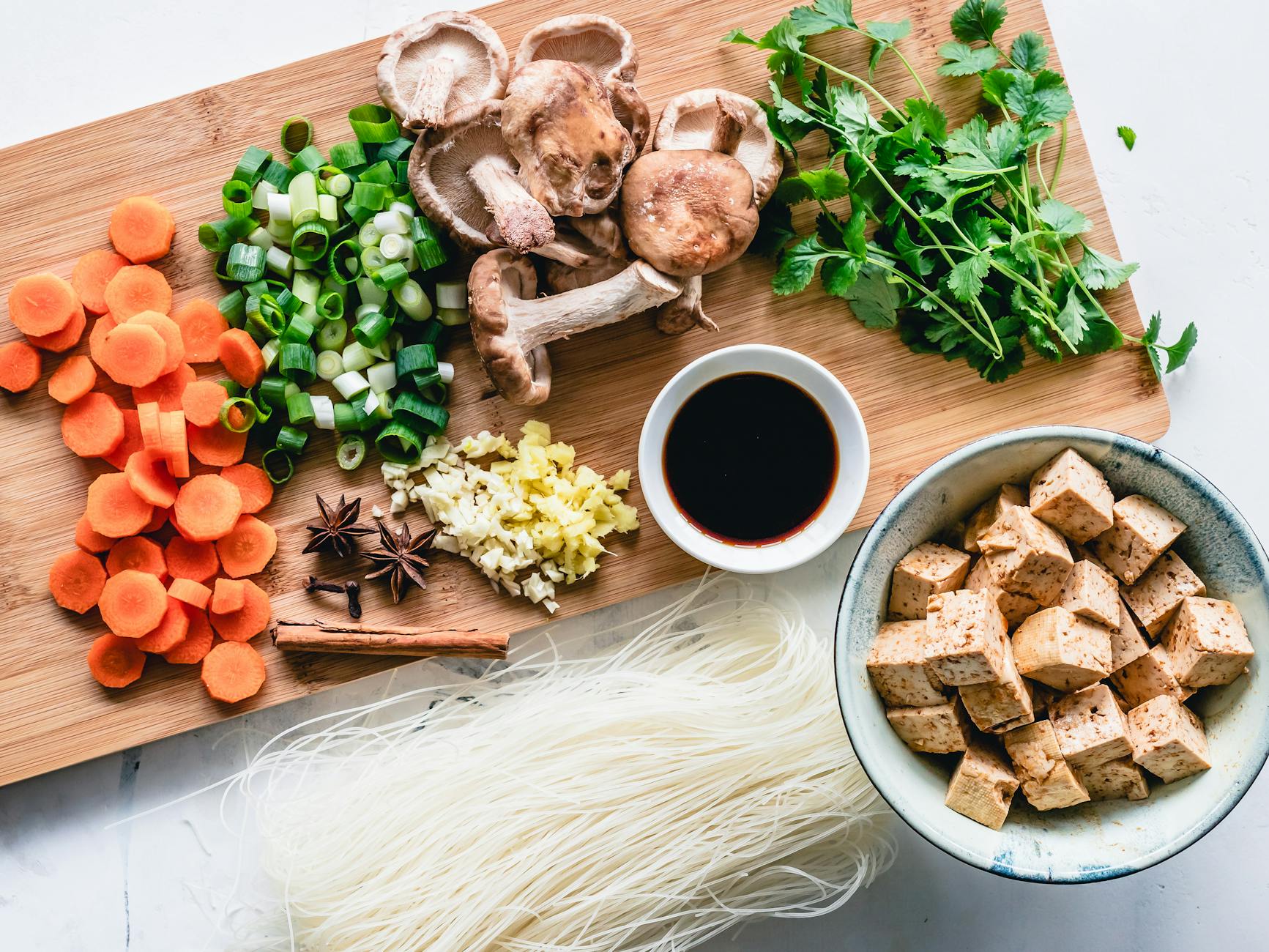
Probiotics are powerful, but they’re not magic. You’ll get the best results when you combine them with actual lifestyle shifts.
Do this:
- Eat more fiber-rich foods (your microbes love it)
- Cut back on ultra-processed junk
- Drink water like it’s your job
- Move your body—especially walking after meals
- Sleep. Seriously. Your gut repairs itself overnight.
TL;DR: Fix Your Gut, Clear Your Mind
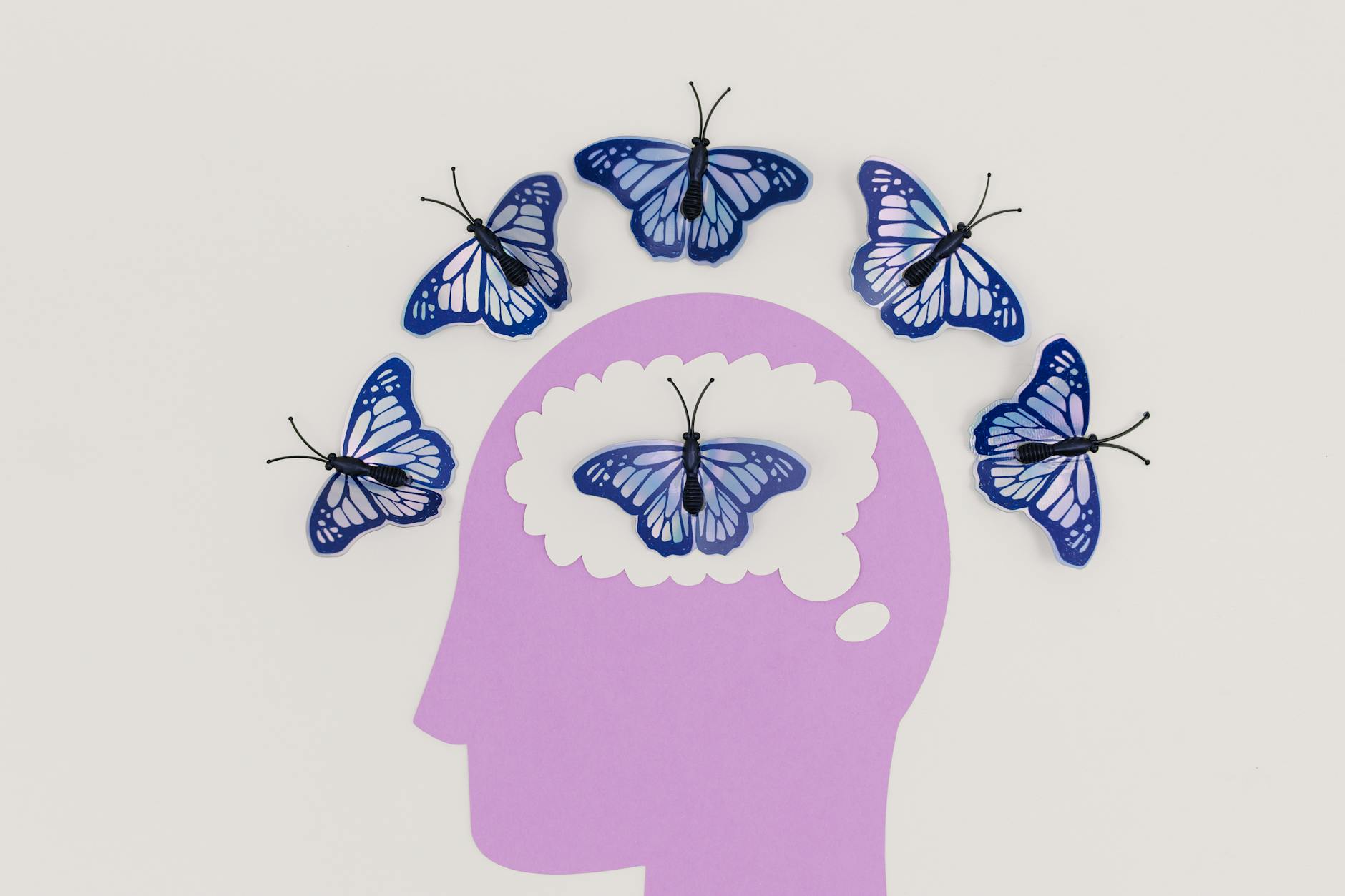
If your mood’s been low, your digestion’s unpredictable, and your brain feels like it’s buffering—don’t overlook your gut. It’s not just a food processor. It’s a chemical factory, a communication hub, and the foundation for how you feel, think, and function.
So yeah, investing in a good probiotic isn’t “woo-woo.” It’s strategic.
You’re not broken. You might just be missing a few billion good bacteria.
Which probiotic is your go-to—or are you still on the hunt for the right one?
 Put that cheese burger down
Leave a comment