By Neha Ghosh
Starting anti-anxiety medication was probably one of the most nerve-wracking decisions I’ve ever made — which is, ironically, exactly why I needed them.
I spent months debating it. Reading horror stories online. Telling myself I should be able to “think” my way out of anxiety. (Spoiler: thinking harder about anxiety just creates…more anxiety.)
Finally, after one too many nights staring at the ceiling, heart racing over absolutely nothing, I decided enough was enough. I booked an appointment, talked it through with my doctor, and started on a low dose.
And honestly? At first, it was amazing.
Within a week or two, I realized how much unnecessary noise my brain had been making all the time. It was like living next to a construction site for years and then one day waking up to silence.
I wasn’t overanalyzing every conversation I had.
I wasn’t panicking over every minor inconvenience.
I could actually sit still and just… be.
But — and this is a big but — the meds didn’t just press “mute” on anxiety.
They also seemed to press a soft “blur” filter over my whole life.
The Side Effects Nobody Really Warned Me About
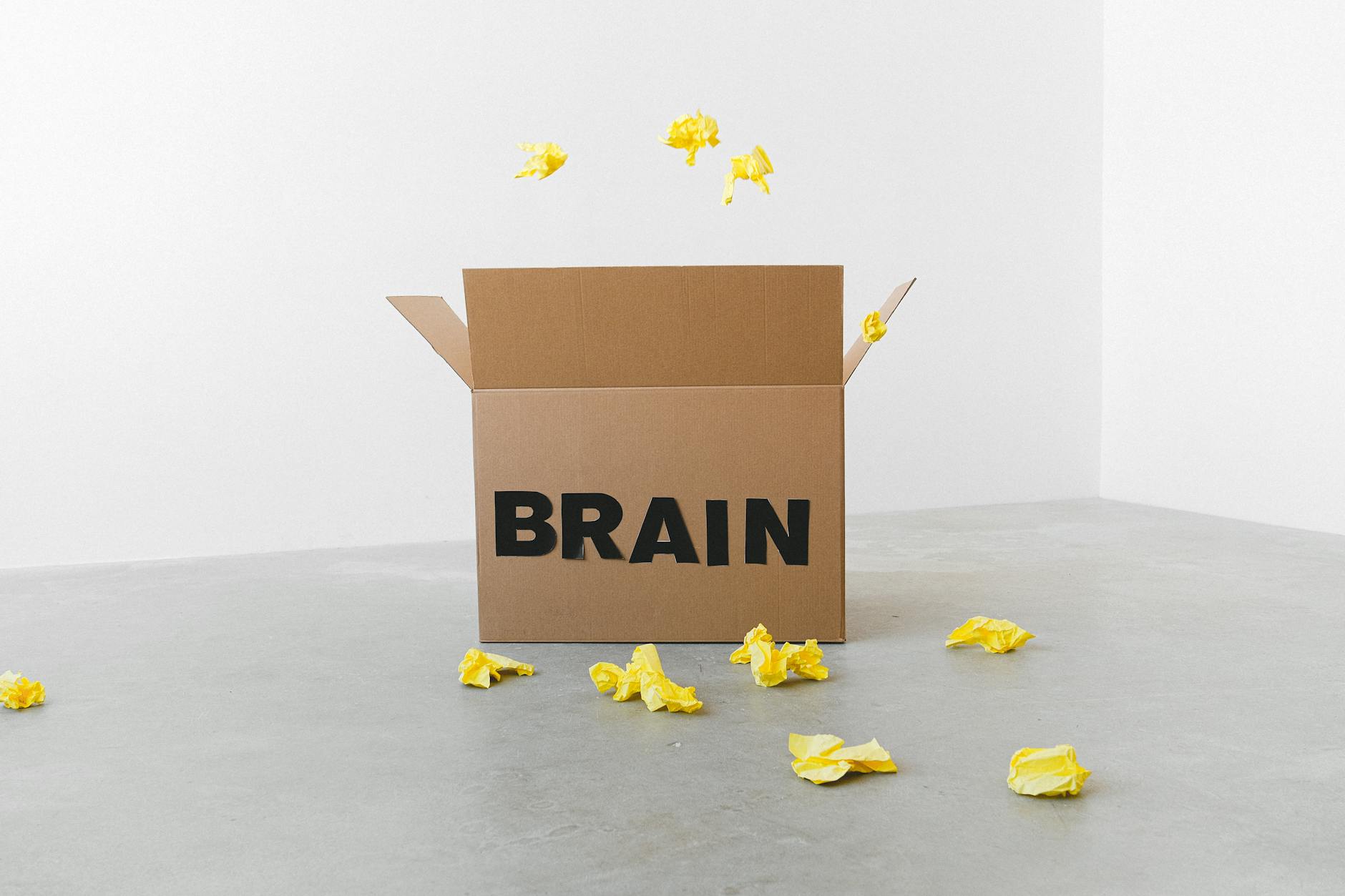
It started small. I’d forget a word here and there. (“Where’s the…uh…food zappy machine thing?” — yes, I meant the microwave.)
Then it got weirder:
- I couldn’t concentrate on movies or books for long stretches.
- I’d lose track of what I was doing mid-task.
- Conversations felt like they were happening underwater — I could hear them, but reacting quickly? Not happening.
It wasn’t full-on brain damage, but it was unsettling.
I didn’t feel “sad” or “bad” — just dulled, like someone had turned my brain’s contrast way down.
And here’s the thing: that haze wasn’t wrong or a failure — it was my brain adjusting. I had spent years at maximum overdrive. Now it was learning to idle without stalling out.
But I didn’t want to lose myself in the process either. So I started paying real attention to what made the fog worse — and what helped clear it.
Here’s what actually worked for me (no gatekeeping):
1. Morning Movement: Activate the Brain Early

Before meds, I needed three alarms and two coffees just to leave bed.
On meds? Somehow worse.
So I started forcing myself to move as soon as I woke up — even if it was just stretching like a sleepy cat, walking around the block, or doing a 5-minute YouTube yoga flow.
Getting blood moving was like flipping the “on” switch for my brain.
Pro tip:
If “working out” sounds miserable, literally just put on music and bop around like nobody’s watching. (Because nobody is. Except maybe your dog. And he’s not judging.)
2. Protein-First Breakfasts: Goodbye, Coffee-Only Mornings

I’m embarrassed by how long I lived on caffeine and vibes alone.
But when I started paying attention, I noticed:
- If I ate breakfast = clearer thinking, more energy.
- If I skipped breakfast = zombie mode by 10 AM.
Now, I prioritize protein + fat in the morning: eggs, yogurt with nuts, a protein smoothie, whatever’s easy. It doesn’t have to be Pinterest-worthy — just something real to fuel your brain.
Game changer: prepping overnight oats or hard-boiling eggs ahead of time so I couldn’t use “I’m too busy” as an excuse.
3. Lists, Lists, and More Lists

Pre-medication me was a walking, talking anxiety alarm system. I never forgot anything because I was too busy obsessively worrying about everything.
Post-medication me?
Absolutely forgetful.
So I had to get serious about externalizing my brain:
- Daily to-do lists (short, realistic ones)
- Sticky notes for anything urgent
- Calendar reminders for literally everything
Basically, I stopped trusting my brain to hold information and started building a system around it. No shame. Total lifesaver.
4. Hydration: More Important Than I Thought

Another thing that sneaks up on you: dehydration makes brain fog SO much worse.
I invested in a giant water bottle that basically bullies me into drinking all day (highly recommend).
If I was feeling extra sluggish, I’d toss in an electrolyte tab — especially on hot days or after a workout.
Simple, boring advice — but it made a big difference.
5. Brain “Workouts” That Didn’t Suck

I’m not here to tell you to go memorize the periodic table for fun. (Barf.)
But doing something tiny and challenging for my brain every day helped sharpen things up.
Some easy options I actually liked:
- Daily Wordle or mini-crosswords
- Duolingo lessons (because if I’m going to struggle, might as well do it in Spanish)
- Trying to memorize my grocery list instead of writing it down (key word: trying)
It wasn’t about being perfect — it was about reminding my brain it still had muscles to flex.
6. Probiotics: Trust Your Gut (Literally)

One thing nobody told me when I started anxiety meds?
Your gut health can seriously affect your brain health.
At first, I thought it sounded like one of those fake Instagram wellness trends — but after doing some actual research (and talking to my doctor), I realized:
- Your gut and brain are directly connected via the “gut-brain axis.”
- A messed-up gut can actually make anxiety symptoms worse.
- Meds can sometimes throw your gut bacteria a little out of whack, especially at the beginning.
Once I started adding probiotics into my routine (think yogurt, kefir, sauerkraut, or a high-quality supplement), I noticed two things:
- My brain fog started lifting faster.
- My overall mood felt way more stable.
It wasn’t a magic overnight fix, but it definitely felt like I was supporting my brain from the inside out, not just slapping a band-aid on the symptoms.
What worked for me:
- A simple daily probiotic supplement (nothing fancy or $100/bottle — just something my pharmacist recommended)
- Eating more fermented foods a few times a week
- Avoiding ultra-processed junk that wrecks gut balance (sorry, gas station hot dogs, we had a good run)
Honestly, I think gut health should be part of every “starting medication” checklist — it made way more of a difference than I expected.
So… Was It Worth It?
In a word: yes.
Even with the haze, even with the weird adjustment period, it was 100% worth it for me.
Because once I pushed through that foggy phase — with lots of patience, snacks, probiotics, and silly dance parties — I came out the other side feeling like myself, just… lighter.
Less clenched all the time.
Less catastrophizing.
More able to just enjoy existing without fighting my own brain every second.
If you’re thinking about trying meds, or if you’re already on them and wondering why you suddenly feel like a semi-functional goldfish:
You’re not broken. You’re adjusting.
Give your brain some grace. Help it out a little. Meet it halfway.
You’re still you — just with a little less static in the background.
And if you ever forget the word “microwave”? Welcome. You’re in great company.

 Put that cheese burger down
Leave a comment