In today’s fast-paced world, anxiety feels almost inevitable. The uncertainty of life, the pressure to succeed, and the overwhelming flood of information can make even the calmest among us feel unsteady.
But what if peace wasn’t something to chase—but something already within us, waiting to be uncovered?
Spirituality offers an alternative to the exhausting struggle of overthinking and control. It teaches us how to surrender, trust, and find a deep sense of calm even in the chaos.
And the best part? You don’t have to follow a specific religion to tap into this wisdom. Whether you believe in a higher power, the energy of the universe, or the power of inner stillness, spirituality provides timeless tools to ease anxiety.
Let’s explore how.
Anxiety: The Mind’s Wild River

Imagine your mind as a river. Some days, it flows gently, clear and peaceful. Other days, it’s raging—filled with worries, fears, and “what-ifs.”
Anxiety is what happens when we try to fight the current, struggling against the waves of our own thoughts.
Spirituality, however, offers a different perspective: Instead of resisting, we learn to float. We trust that, even in the rapids, the river knows its way.
But how does this work in practice? Let’s look at some real-world examples and actionable steps.
1. Letting Go: Trusting in a Higher Plan
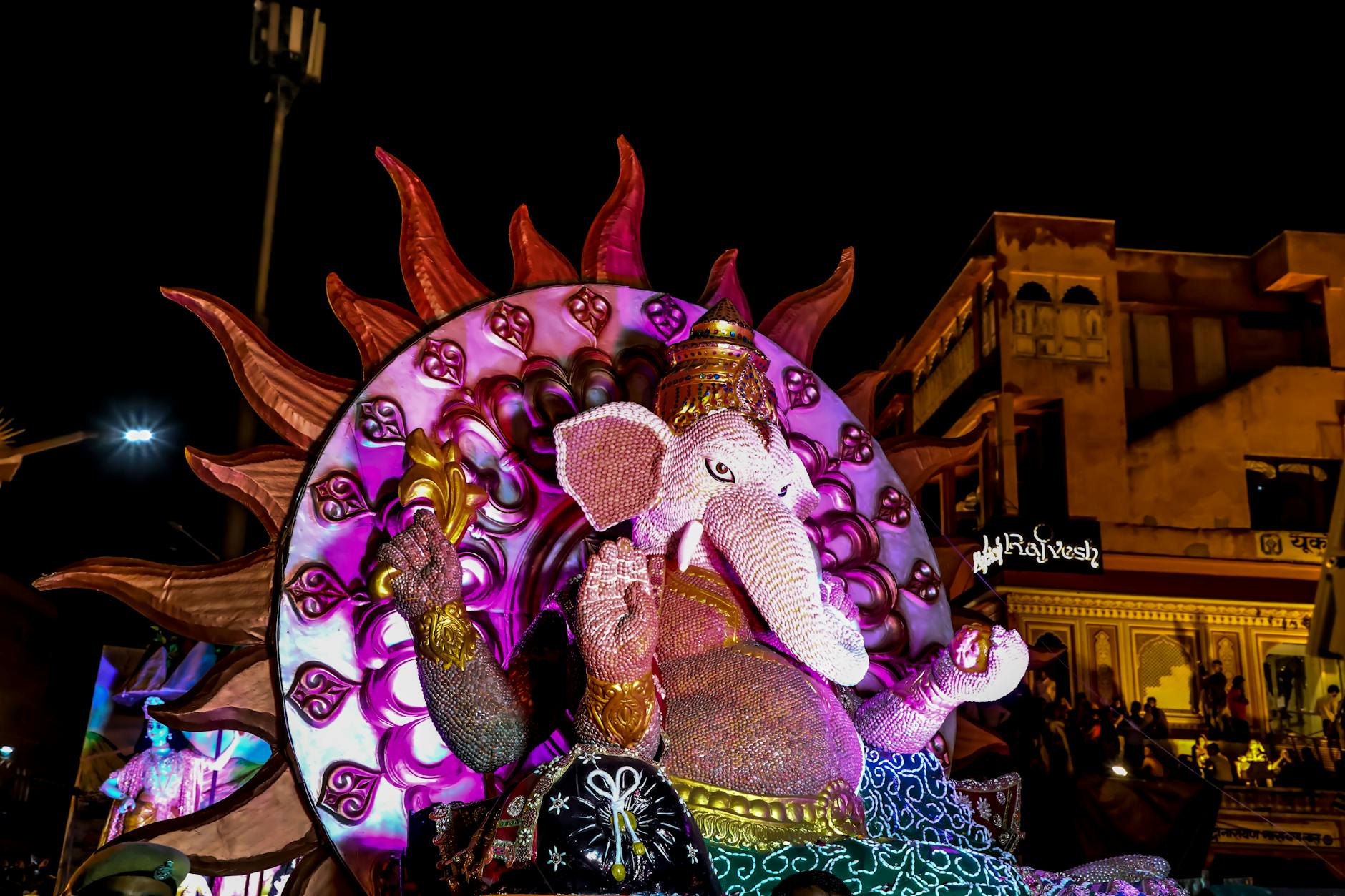
One of the biggest sources of anxiety is the need for control. We want certainty and assurance that everything will be okay. But life is unpredictable.
Spirituality encourages us to surrender our worries to something greater—whether that’s God, the universe, or the natural order of life. This shift in mindset can be life-changing.
Real-Life Example:
Lena, a small business owner, used to suffer from severe anxiety over financial instability. After learning about the concept of Ishvara Pranidhana (surrendering to a higher power in yoga philosophy), she began a nightly ritual of writing down her worries and mentally “handing them over” to the universe. Over time, she felt lighter, as if she was no longer carrying the weight alone.
Practice:
- Before bed, take a deep breath and whisper (or write down) what’s troubling you.
- Then, consciously let it go with a phrase like:
“I release this worry. I trust that things will unfold as they should.” - Repeat as needed.
📖 Spiritual Reference: The Bhagavad Gita (Chapter 18:66) says: “Abandon all varieties of fear and surrender unto Me. I shall deliver you from all sinful reactions. Do not fear.”
2. The Power of the Present Moment

Anxiety thrives in the past and future. It replays old mistakes and dreads what’s coming next. But spirituality anchors us in the present, reminding us that peace is found now.
Practice:
Try this simple mindfulness exercise:
- Sit quietly, close your eyes, and take five slow breaths.
- With each inhale, say: “I am here.”
- With each exhale, say: “I am safe.”
- Let the moment hold you.
📖 Spiritual Reference: Thích Nhất Hạnh, a Vietnamese Buddhist monk, teaches: “The present moment is filled with joy and happiness. If you are attentive, you will see it.”
3. Rituals That Heal
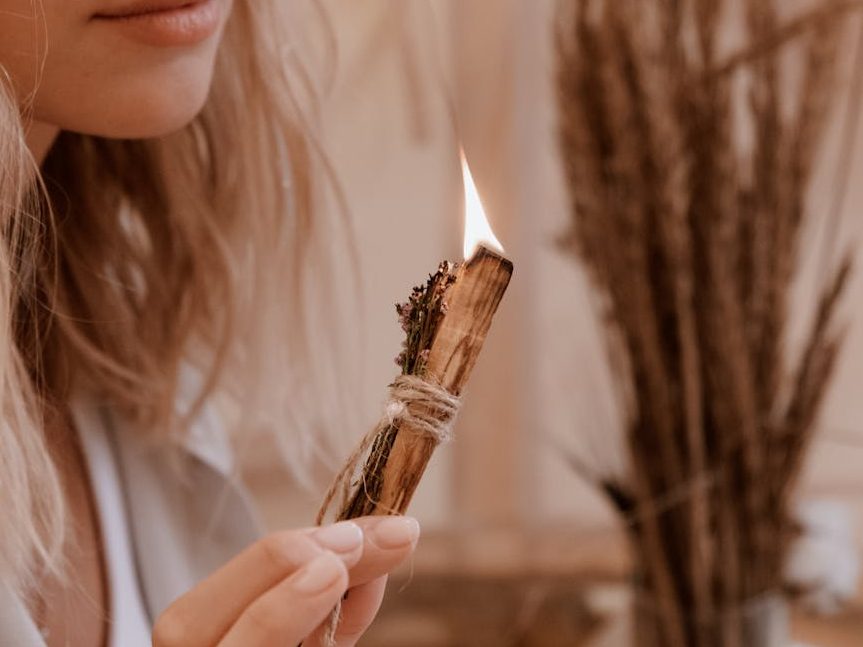
Rituals create a sense of structure and peace in our chaotic lives. Whether it’s lighting a candle, reciting a prayer, or meditating at sunrise, small acts of devotion can have a big impact on anxiety.
Real-Life Example:
Sarah, a mother of three, began lighting incense and repeating an affirmation every morning before her kids woke up. Over time, this small act became a sacred moment of self-care, helping her start the day with calm instead of stress.
Practice:
- Choose a simple ritual: lighting a candle, journaling, chanting, or walking in nature.
- Do it daily for a few minutes.
- Let it be your anchor in times of anxiety.
📖 Scientific Insight: Studies have shown that rituals reduce stress by creating a sense of control and predictability (Hobson, 2017).
4. Connection: You’re Not Alone
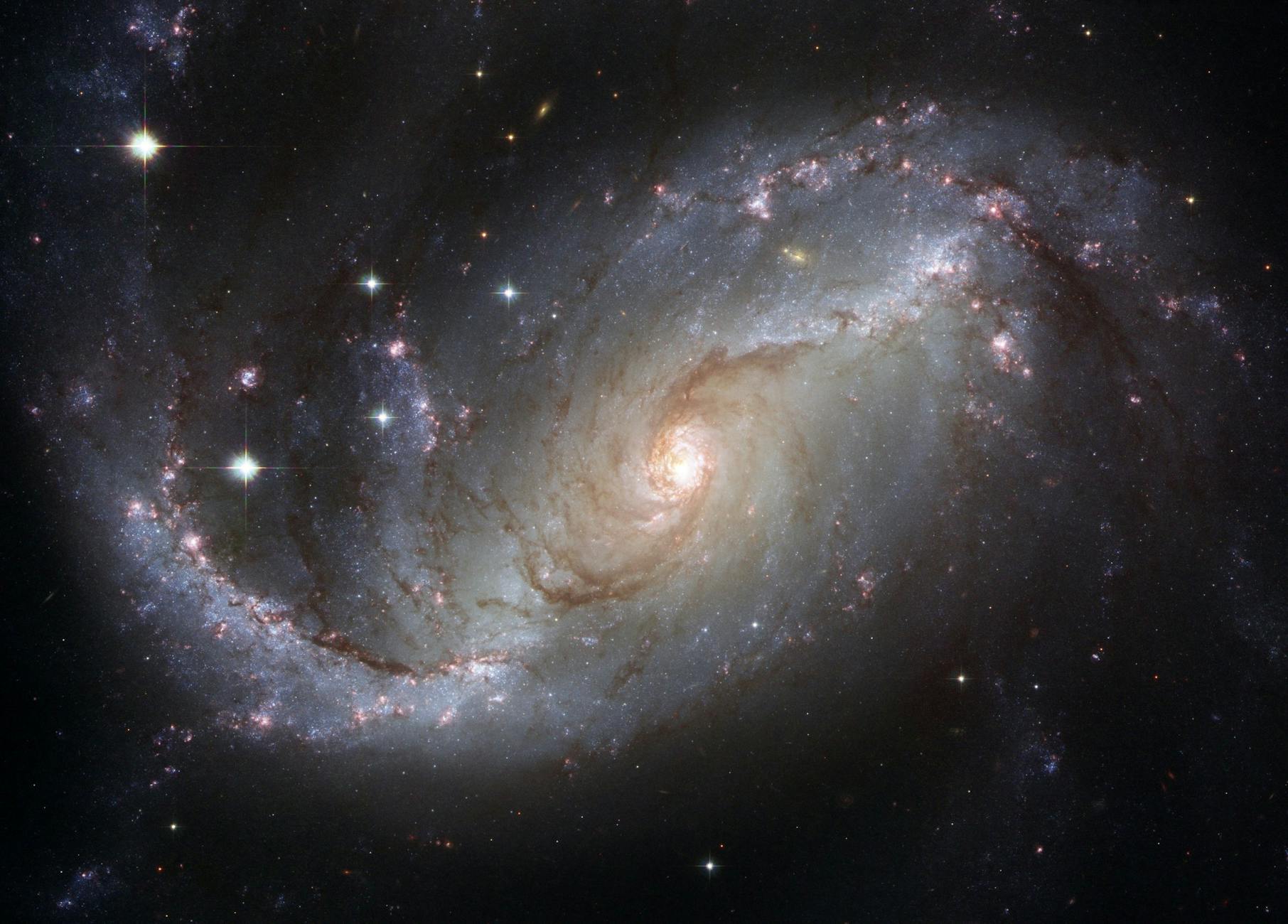
Anxiety often makes us feel isolated. But spirituality reminds us that we are deeply connected—to others, to the divine, and to something greater than ourselves.
Real-Life Example:
A recent study from Harvard University found that people who attend spiritual or religious gatherings at least once a week report lower levels of anxiety and depression (Chen & VanderWeele, 2021).
Practice:
- Join a spiritual community (online or in-person).
- Read sacred texts that remind you of your place in the grand scheme of life.
- Reach out to a mentor or friend when anxiety feels overwhelming.
📖 Spiritual Reference: The Bible (Matthew 11:28) says: “Come to me, all you who are weary and burdened, and I will give you rest.”
5. Purpose: The Lighthouse in the Storm
When we feel lost or meaningless, anxiety grows. But when we trust that our struggles have purpose, they become lighter.
Real-Life Example:
David, a cancer survivor, found peace through the Stoic idea of amor fati—loving one’s fate. Instead of resenting his illness, he chose to see it as part of his journey. His new perspective helped him overcome deep anxiety about the future.
Practice:
- When anxiety arises, ask: “What is this teaching me?”
- Reframe struggles as lessons, not punishments.
- Write down one small way your pain could lead to growth.
📖 Spiritual Reference: The Quran (2:286) states: “God does not burden a soul beyond what it can bear.”
Final Thoughts: Finding Peace in the Mystery
Spirituality doesn’t make anxiety disappear—it transforms our relationship with it. Instead of seeing it as a monster, we see it as a teacher.
Anxiety may still visit, but with spiritual grounding, we don’t have to let it take over. Instead, we can say:
“I see you. I hear you. And I choose peace anyway.”
✨ What’s your go-to spiritual practice when anxiety strikes? Share in the comments below—I’d love to hear from you!

 Put that cheese burger down
Leave a comment