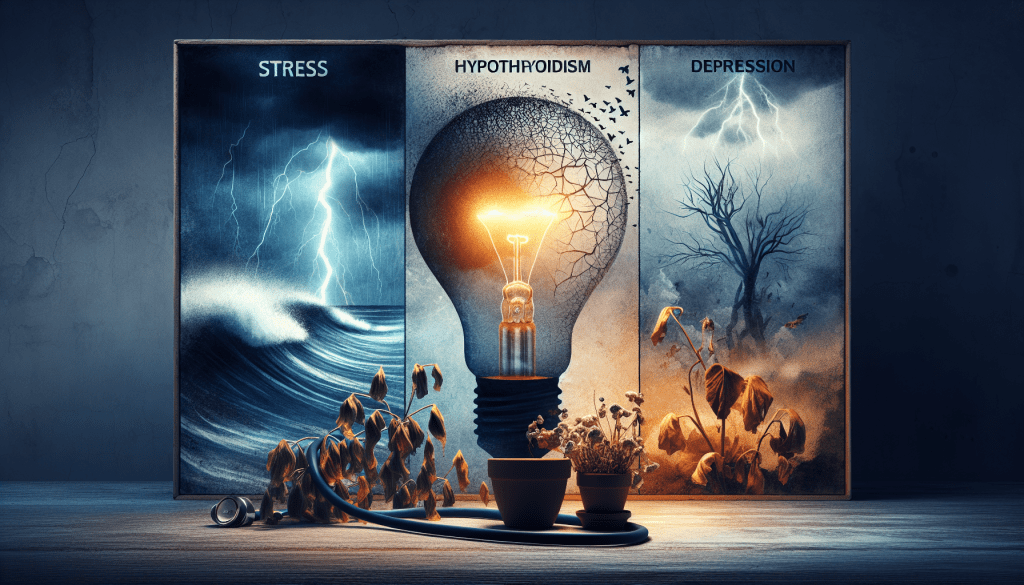
Understanding the complex interplay between stress, depression, and hypothyroidism is crucial for maintaining both mental and physical well-being.
Hypothyroidism, a condition characterized by an underactive thyroid gland, can have profound effects on mood and mental health. Likewise, stress and depression can exacerbate symptoms of hypothyroidism, creating a vicious cycle that can be challenging to break. This article delves into the connections between these three factors, highlighting their interactions and offering insights into managing them effectively.
Hypothyroidism: An Overview

The thyroid gland, located in the neck, plays a pivotal role in regulating metabolism through the secretion of thyroid hormones—primarily thyroxine (T4) and triiodothyronine (T3). When the thyroid produces insufficient amounts of these hormones, a condition known as hypothyroidism occurs.
Common symptoms include fatigue, weight gain, cold intolerance, and cognitive difficulties. Importantly, hypothyroidism is also closely linked to mood disorders such as depression.
The Impact of Hypothyroidism on Mental Health
Hypothyroidism can significantly impact mental health. Thyroid hormones are crucial for brain function, influencing neurotransmitter activity, neurogenesis, and overall brain metabolism. When these hormones are deficient, several mental health issues can arise:
- Depression: Hypothyroidism can mimic or exacerbate depressive symptoms. Patients often report persistent sadness, loss of interest in activities, and feelings of hopelessness. This overlap can make it challenging to distinguish between primary depression and depression secondary to hypothyroidism.
- Cognitive Impairment: Many individuals with hypothyroidism experience “brain fog,” characterized by memory lapses, difficulty concentrating, and slower cognitive processing. This can contribute to feelings of frustration and exacerbate depressive symptoms.
- Anxiety: While less commonly discussed, anxiety can also be a symptom of hypothyroidism, likely due to the body’s stress response being out of balance when thyroid hormones are deficient.
Stress: A Catalyst for Thyroid Dysfunction

Chronic stress is known to have a detrimental effect on overall health, and the thyroid gland is no exception. Prolonged stress triggers the release of cortisol, a hormone that, in high levels, can interfere with thyroid function.
Here’s how stress impacts the thyroid:
- Cortisol Interference: Elevated cortisol levels can inhibit the conversion of T4 to the active T3 hormone, reducing the availability of the hormone crucial for metabolic and mental health.
- Immune System Effects: Stress can alter immune function, potentially increasing the risk of autoimmune thyroid conditions such as Hashimoto’s thyroiditis, which is a common cause of hypothyroidism.
- Direct Impact on Thyroid Hormone Production: Stress can directly affect the hypothalamic-pituitary-thyroid (HPT) axis, disrupting the signals that regulate thyroid hormone production.
Depression: Both a Symptom and a Consequence
Depression is both a potential symptom of hypothyroidism and a consequence of the condition. The relationship between thyroid function and mood is bidirectional:
- Symptom Overlap: Hypothyroidism can cause depressive symptoms due to hormonal imbalances affecting brain chemistry. This overlap can lead to misdiagnosis and inappropriate treatment if the thyroid issue is not identified.
- Impact on Quality of Life: The physical symptoms of hypothyroidism, such as fatigue and weight gain, can reduce quality of life, contributing to or worsening depression. This, in turn, can lead to increased stress, creating a feedback loop that further impairs thyroid function.
Breaking the Cycle: Management Strategies
Addressing the interconnected issues of stress, depression, and hypothyroidism requires a multifaceted approach:
- Medical Treatment: Proper diagnosis and treatment of hypothyroidism with thyroid hormone replacement therapy (typically levothyroxine) are essential. Regular monitoring and dosage adjustments ensure optimal hormone levels and symptom management.
- Stress Management: Techniques such as mindfulness, meditation, and physical exercise can help manage stress levels. Reducing stress can improve thyroid function and overall well-being.
- Mental Health Support: Psychotherapy and, if necessary, medication can help manage depression and anxiety. Cognitive-behavioral therapy (CBT) is particularly effective for dealing with the negative thought patterns associated with depression and anxiety.
- Holistic Approaches: Nutritional support, regular physical activity, and adequate sleep are crucial. A diet rich in essential nutrients, including iodine, selenium, and zinc, supports thyroid health.
Conclusion
The intricate relationship between stress, depression, and hypothyroidism highlights the importance of a comprehensive approach to diagnosis and treatment. By addressing each component of this triad, individuals can achieve better health outcomes and improve their quality of life. Recognizing the signs and symptoms of hypothyroidism and understanding its impact on mental health are vital steps towards effective management and recovery.
 Put that cheese burger down
Leave a comment